I have been thinking a great deal about our children. We have been dealing with the pandemic and it’s long reaching repercussions for almost 7 months. In addition, our county is experiencing profound racial and political divides, and violence that some generations have never known. These issues are further compounded by the fact that the state of California is experiencing a fire season that is unparalleled to years past. Other states have their challenges as well. What I have just outlined are some factors that are contributing to the chronic stress that we are negotiating. Chronic stress is defined as “the response to emotional pressure suffered for a prolonged period of time in which an individual perceives they have little or no control”. The physical, psychological, and emotional implications for chronic stress are sobering (see the list below) and neither adults and children are immune.
Symptoms of Chronic stress:
- irritability, which can be extreme
- fatigue
- headache
- difficulty concentrating, or an inability to do so
- rapid, disorganized thoughts
- difficulty sleeping (nightmares in children)
- digestive problems
- changes in appetite
- feeling helpless
- a perceived loss of control
- low self-esteem
- loss of sexual desire
- nervousness
- frequent infections or illnesses
- loss of memory
- chemical changes in brain resulting in moodiness
I recently shared a Facebook post about pandemic fatigue (follow me on social media for more tips). Here is the link to the post in case you missed it.
The reason I have been thinking so deeply about our children is because I know the science and research about the dangers of stress and chronic stress on our bodies and minds. As adults, we have the ability, cognitively, to take in information, process it (in various ways), and then hopefully apply our coping skills to manage the magnitude of the stress. However, when “bad things” happen, the adult instinct is to protect the child. So, often times, children feel the energy from the adults that something is going on or they pick-up on bits and pieces of what is going on in their environments by overhearing adults talk or the news. What often times happens is that there are gaps in what the child has the capacity to understand and therefore the child tries to fill in the gaps. These gaps are then filled in by them and their limited experiences on earth by virtue of their fears and imaginations. In this instance parents trying to protect their children have then potentially created a “perfect storm” where children have heightened fears and anxieties. The other challenge we have as parents is that our children, fortunately or unfortunately, are dependent on the adults in their lives to help them co-regulate their emotions during challenging and stressful times. So, if we are just trying to cope and keep it all together, where do we find the strength to help our children through the hard moments?
Each of us will answer the question above very differently. Ultimately, when you are a parent, you find a way and draw on your “grounding forces” to help you stay balanced enough to comfort and support your child. I recognize that some days this is easier said that done. We are all humans that are flawed and imperfect. I recently wrote a Facebook post about the forces that ground me as a parent; check it out here. Leaning on my grounding forces have helped me during this very challenging season. My hope is that you lean on your grounding forces as you negotiate what feels like a herculean task of parenting while dealing with chronic stress.
What does the research tell us about children and tragedy?
- Children are resilient. The human brain is not fully developed/integrated until a person is about 25-years olds. Therefore, making it plastic. Brain plasticity means that the brain is capable of being changed and repaired. This is important and exciting because we know that chronic stress impacts brain function, neural connections (learning and access to knowledge), and memory.
- Nurturing relationships buffer the impact of stress on children. When children are in loving and supportive relationships, the security they feel helps reassure, calm, and regulate their emotions and fears.
- Consistent routines help children understand their days, offer some predictability, and create a sense of normalcy. Even when tragedy strikes, trying to create routines amidst the challenging times helps.
- Children need time and various outlets for processing their stress and emotional responses. In other words, let them “feel their feelings”. Based on the age of your child and their temperament (i.e., personality traits, characteristic or inclination, or mode of emotional response in various situations), this will look wildly different. The important note is that it is important for children to process for as long as and as often as needed.

What can we do to support our children?
- Take care of ourselves. This is paramount. We can not give something that we do not have. We must find ways to take care of our physical, mental, and spiritual health so that we can take care of our children.
- Slow down. Find moments during the what feels like “craziness” to pause and just be with your children. Let them have moments of your undivided time and attention in relationship with you.
- Reassure your child that they are safe. For example, “there is a fire and the firefighters are being so brave to take care of it, but we are safe here” or “we are going to wear a mask and wash our hands so that we keep ourselves and other people safe”.
- Explain what is going on around the child in a “matter of fact” age appropriate way. Once children get an answer, they generally can accept it (you know your child, so have the back-up answers ready) and keep the answers short and sweet.
- Limit the amount of media/news exposure and “adult talk” in front of children. This way you control the narrative which hopefully reduces fears and anxieties.
- Create routines. Once “the dust settles”, try to find new routines that your child can come to rely on. Routines help children feel a sense of control because they are better able to predict and expect the happenings in their lives. “We all need routines even in the chaos (Jennifer Joy Madden)”.
- Allow your child time to process. Depending on your child’s age and temperament, this will look different. However, find ways to help your children get out their big feelings. Examples are: reading books about the current situation and talking about what they see in the book, drawing, painting, journaling, pointing out their feelings on a feelings chart/board, listening to them re-tell stories of what happened over and over, asking open-ended questions about how they might be feeling, identifying their feelings for them, exercising, listening to or making music, etc.
Protecting our children and their childhood is our job. Even though the science tells us children are resilient, they should not have to be all the time. Finding ways to soften the blow for them and protect them is our charge. This charge comes with great responsibility and amazing rewards for adults and children. I will take solace in the knowing that parents love their children and do the best they can. Know that that too and keep on keepin’ on!
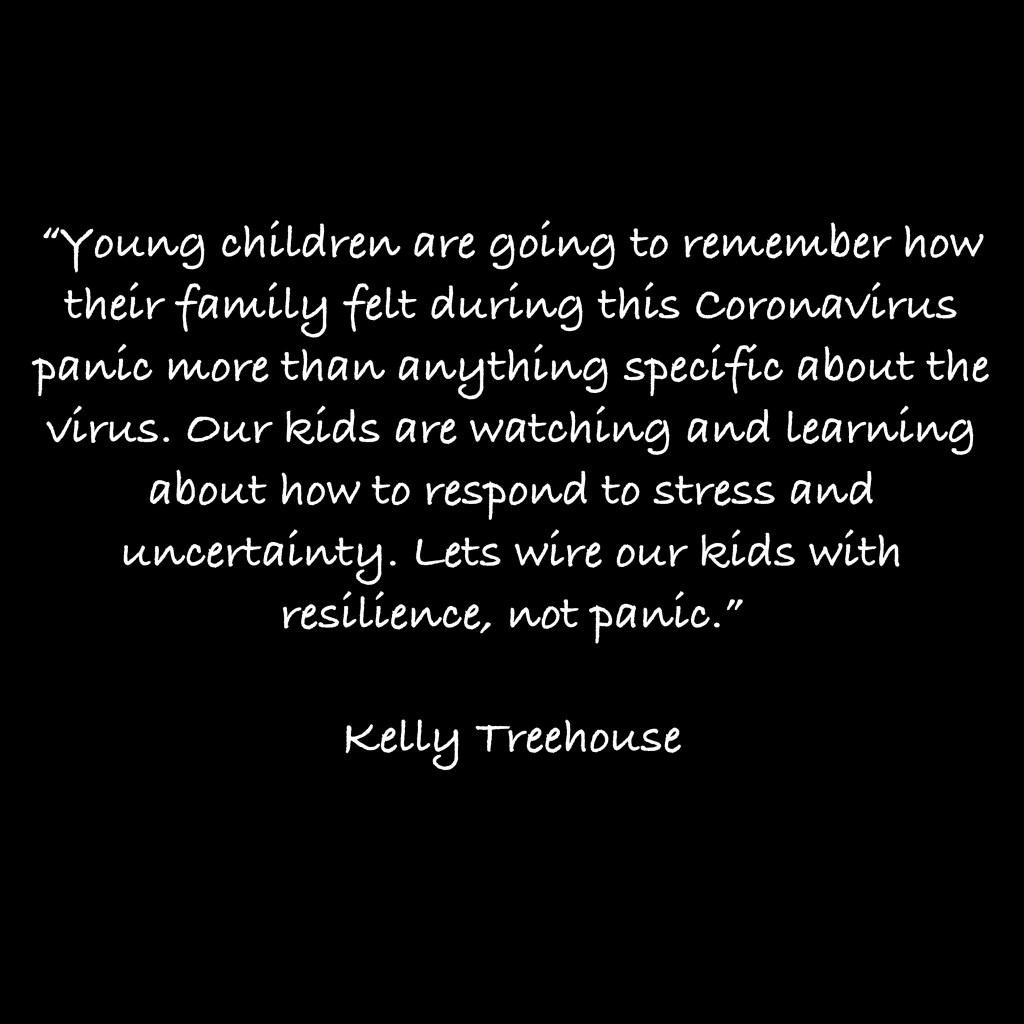
If you or someone you know would like a consultation with a developmental psychologist to talk more about how to support your child through tragedy, contact me (the first consultation is free).
Forever Onward,
Dr. Amber Morabito
 Educational Consultant
This is such a great read! Thank you for your research, knowledge, and real life experiences. How can I get this short book of information out to the massive public?
LikeLike
Thank you so much for your kind words! I hope that it is helpful! I don’t have a book yet, but if you would share the blog and social media information with others, that is one way that people can stay connected.
LikeLike
Such a great read and helpful information for all.
LikeLiked by 1 person
Thank you for taking the time to read it Amy! 🙂
LikeLike